Solar Wastage

Solar Waste Management Solutions

Responsible Solar Waste Management for a Sustainable Future

Solar energy plays an important role in building a cleaner, greener future. However, damaged, outdated, and end-of-life solar panels and other system components must be managed responsibly to reduce environmental impact. Sayali Green Energy supports a sustainability-focused approach to solar waste management, encouraging responsible handling, reuse, and recycling wherever feasible.

By promoting better waste management practices throughout the solar lifecycle, we can help reduce landfill waste, recover valuable materials, and support a more circular renewable energy ecosystem.

What Is Solar Waste Management?

Understanding Solar Waste Management

Solar waste management refers to the responsible collection, handling, reuse, recycling, and disposal of waste generated from solar energy systems. Although solar power produces clean electricity during operation, solar panels, inverters, cables, mounting structures, and batteries may eventually require repair, replacement, or end-of-life management.

Improper handling of discarded solar equipment can result in the loss of reusable materials and may create environmental risks if certain components are not managed correctly. A structured approach helps identify materials that can be recovered, reused, or sent to appropriate recycling facilities.

At Sayali Green Energy, we recognise the importance of responsible solar practices and the need to consider sustainability beyond installation and electricity generation.

Our Solar Waste Management Solutions

Responsible Approaches to Solar Waste Reduction

Solar Panel Waste Management

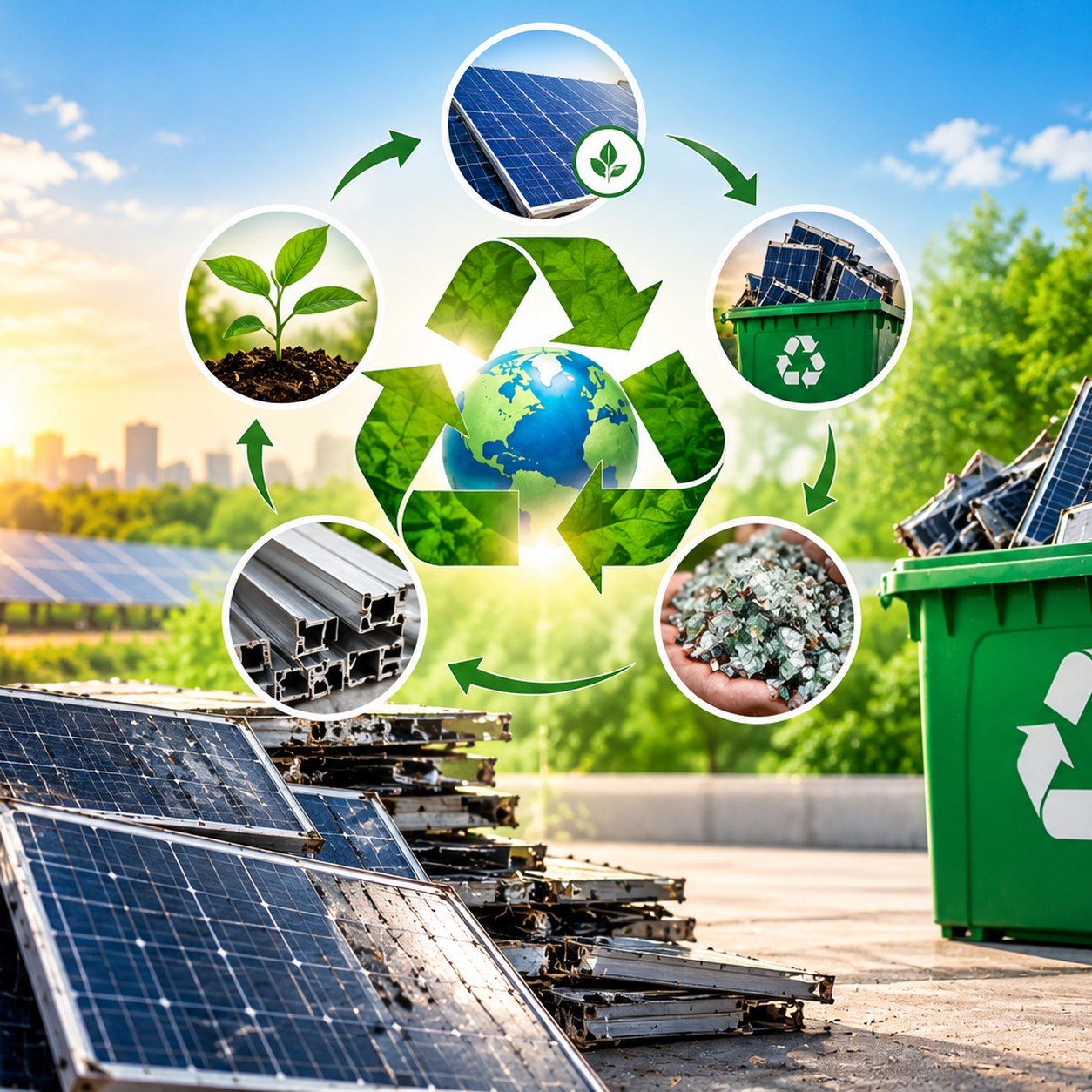
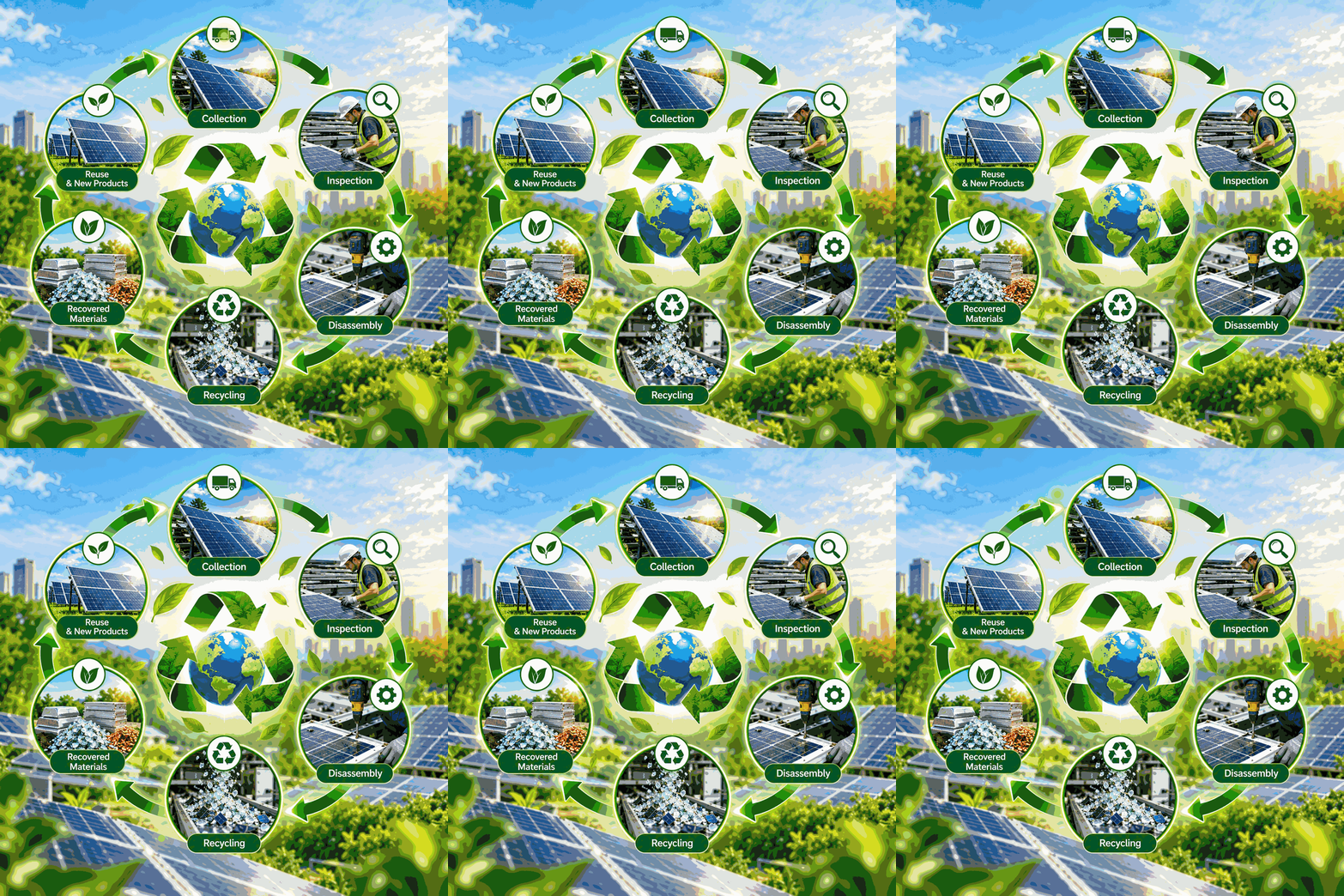
Solar panels may become damaged, defective, or reach the end of their useful life. Responsible handling helps prevent unnecessary disposal and supports the recovery of materials such as glass, aluminium, and other recyclable components. Suitable panels may also be assessed for continued use, depending on their condition and safety.

Solar Equipment Recycling

Solar installations contain several components that may be suitable for material recovery. Depending on their composition and condition, selected equipment can be directed to authorised or appropriately qualified recycling facilities to support the recovery of reusable resources and reduce avoidable waste.

Reuse and Resource Recovery

Not every removed solar component needs to become waste immediately. Equipment that remains safe and functional may be considered for reuse following an appropriate assessment. Components that cannot be reused may be directed towards suitable material recovery processes, subject to applicable requirements.

Responsible Disposal of Damaged Components

Damaged solar panels, electrical equipment, and batteries require appropriate handling. Their disposal should follow applicable environmental, safety, and waste-management requirements rather than ordinary waste-disposal practices.

Solar Waste Reduction Planning

Planning for equipment maintenance, repair, replacement, and eventual retirement can help solar system owners manage waste more effectively. A lifecycle-focused approach encourages better resource utilisation and supports long-term sustainability goals.

Benefits of Solar Waste Management

Why Is Responsible Solar Waste Management Important?

Reduced Environmental Impact

Appropriate waste handling helps reduce the risks associated with uncontrolled disposal of solar equipment.

Resource Recovery

Recycling can recover useful materials and reduce the need for some virgin raw materials.

Responsible Business Practices

Effective waste planning can support an organisation's environmental objectives and sustainability commitments.

Better Resource Utilisation

Assessing equipment for repair, reuse, or recycling helps avoid unnecessary material loss.

Improved Sustainability

Responsible end-of-life practices strengthen the environmental value of renewable energy projects.

Less Landfill Waste

Reuse and recycling help divert suitable materials away from landfill disposal.

Why Choose Sayali Green Energy?

Building a More Sustainable Solar Lifecycle

Why Choose Sayali Green Energy for Solar EPC?

Sustainable Solar
Future

At Sayali Green Energy, we promote responsible solar equipment management to reduce waste, protect the environment, and support a cleaner, greener future.

Responsible Solar Practices

We focus on responsible solar waste handling, reducing waste, and promoting safe reuse and recycling solutions to support environmental sustainability.

Smart Solar Waste Management

We help promote responsible solar waste practices for residential, commercial, and industrial systems, supporting informed equipment replacement and sustainable end-of-life management.

Verified Solar Waste Services

Sayali Green Energy provides information about solar waste management services based on actual availability, ensuring clear and reliable service details.

Frequently Asked Questions

What is solar waste?

Solar waste includes discarded or replaced solar panels, inverters, cables, mounting components, batteries, and other equipment associated with solar energy systems. The applicable handling requirements depend on the type and condition of each component.

Yes. Many solar panels contain materials such as glass, aluminium, and certain metals that can be recovered through suitable recycling processes. The materials recovered and the available recycling methods depend on the panel technology and the facility's capabilities.

Responsible management helps reduce uncontrolled disposal, recover valuable resources, and limit potential environmental risks. It also supports the long-term sustainability of solar energy.

Can damaged solar panels be reused?

Some panels may be suitable for continued use after an appropriate technical and safety assessment. Severely damaged or unsuitable panels should be managed through appropriate recycling or disposal channels.

Old inverters and batteries should be assessed separately because their materials, electrical hazards, and handling requirements differ. They should be directed to suitable repair, reuse, recycling, or disposal channels according to applicable requirements.

Businesses can begin by maintaining equipment inventories, assessing damaged components, segregating waste, selecting appropriate recovery pathways, and retaining relevant records. Large installations may also benefit from a documented end-of-life management plan.

Make Your Solar Journey More Sustainable

Clean energy is only one part of the sustainability journey. Responsible solar waste management helps ensure that equipment is handled thoughtfully even after it has completed its useful life. Connect with Sayali Green Energy to discuss sustainable solar practices and explore suitable approaches to managing solar equipment waste.