Solar Park Solutions

What Is a Solar Park?

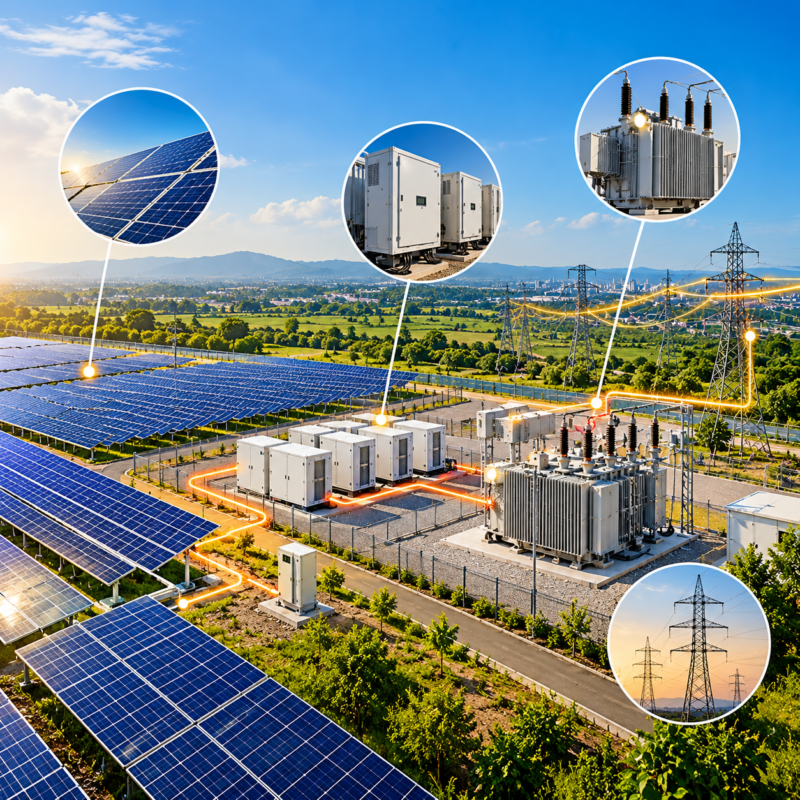
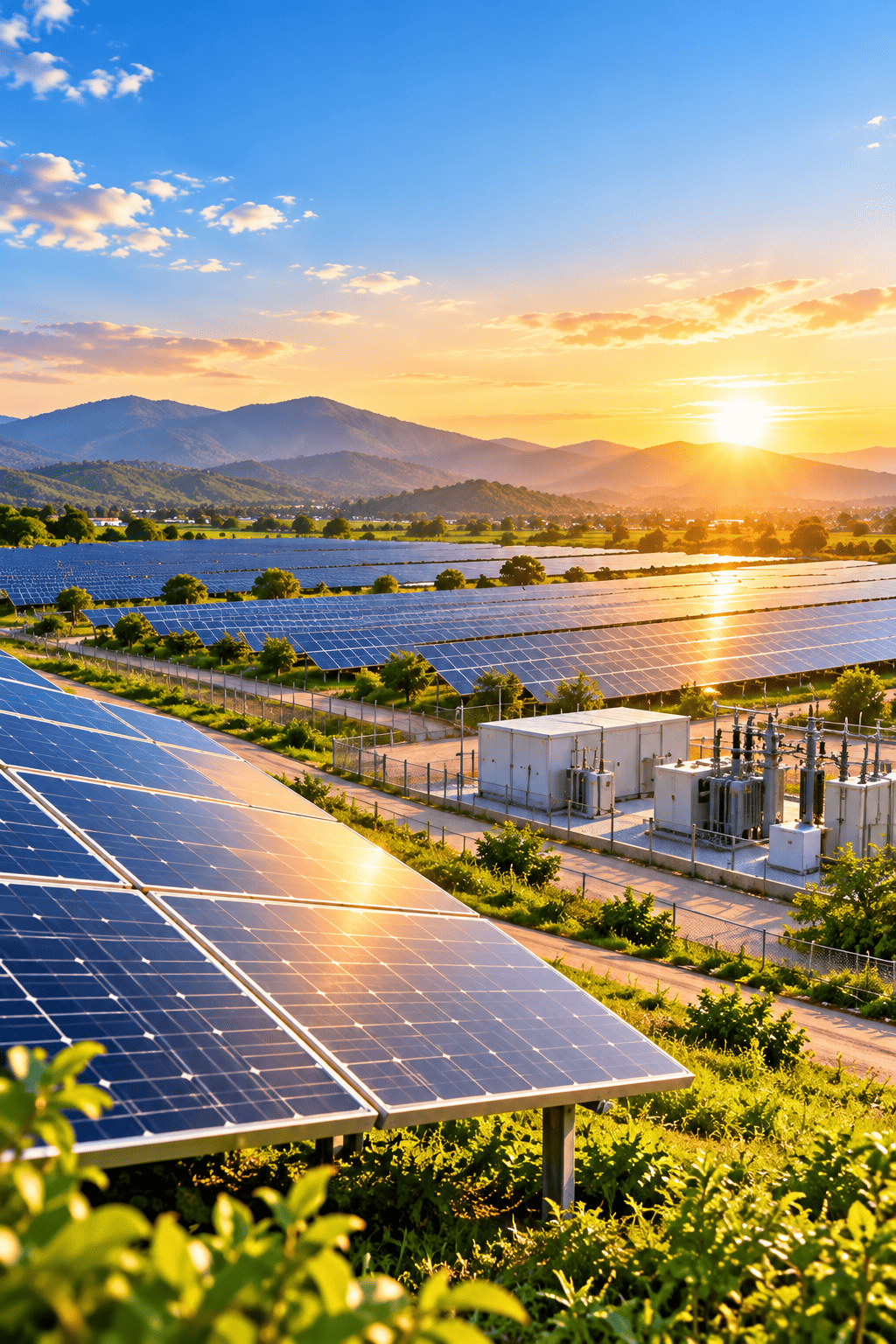
A solar park is a large-scale installation where multiple solar photovoltaic (PV) panels work together to convert sunlight into electricity. These projects are developed across suitable land areas with the infrastructure required for power generation, electrical conversion, grid connectivity, and energy distribution.

By bringing solar installations and supporting infrastructure together in a planned location, solar parks can facilitate efficient project development and renewable energy generation. They play an important role in expanding clean energy capacity, supporting energy security, and reducing dependence on conventional fossil fuels.

How Does a Solar Park Work?

  1. Site Assessment and Planning

The process begins with evaluating solar irradiation, land suitability, site conditions, environmental considerations, and grid connectivity to determine project feasibility.

  1. Solar Infrastructure Development

The project layout is planned to accommodate solar panels, mounting structures, inverters, electrical equipment, access routes, and other essential infrastructure.

  1. Solar Power Generation

Solar photovoltaic modules capture sunlight and convert it into direct-current (DC) electricity. The generated power is then converted into alternating-current (AC) electricity through inverters.

  1. Power Evacuation and Grid Connectivity

Electrical infrastructure transfers the generated electricity towards the designated grid connection or approved delivery point, subject to the project's technical design and regulatory approvals.

  1. Monitoring and Maintenance

Regular inspections, performance monitoring, equipment maintenance, and panel cleaning help maintain operational efficiency and support reliable long-term generation.

Why Choose Solar Park Solutions?

Developing a solar park requires more than installing solar panels. It involves coordinated planning, technical evaluation, infrastructure development, safety considerations, and long-term operational management.

Sayali Green Energy aims to support the wider adoption of renewable energy by promoting solutions aligned with the evolving needs of India's energy sector. A well-planned solar park can help establish a foundation for scalable clean power generation while balancing technical requirements, operational performance, and environmental considerations.

Our approach emphasises the importance of project suitability, efficient system design, quality equipment, responsible development, and ongoing performance evaluation.

Benefits of Solar Parks

Long-Term Sustainability

Solar installations can generate renewable electricity over their operating life with appropriate monitoring, cleaning, regular maintenance, and proper equipment management.

Reduced Dependence on Conventional Energy

Solar power can diversify the energy mix & help reduce reliance on fossil-fuel-based electricity. Actual energy-cost benefits depend on project economics, generation performance, & applicable power procurement arrangements.

Large-Scale Energy Production

Designed for utility-scale generation, solar parks can accommodate extensive solar installations to meet significant electricity requirements, subject to project capacity, location, and grid infrastructure.

Clean and Renewable Power Generation

Solar parks harness sunlight to generate electricity without directly emitting greenhouse gases during operation. They help support the transition towards cleaner energy sources and a lower-carbon energy system.

Efficient Project Planning

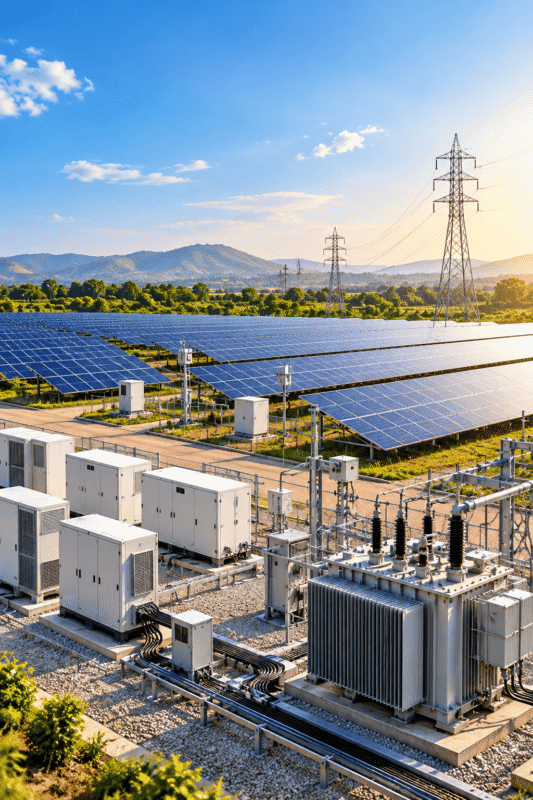
A planned solar park can bring together solar modules, inverters, mounting structures, electrical systems, and grid-connection infrastructure within a coordinated development framework.

Support for India's Renewable Energy Goals

Solar parks contribute to the expansion of renewable energy infrastructure and support India's broader transition towards a more sustainable energy future.
How Does a Solar Park Work?

01.

Site Assessment and Planning

The process begins with evaluating solar irradiation, land suitability, site conditions, environmental considerations, and grid connectivity to determine project feasibility.

02.

Solar Infrastructure Development

The project layout is planned to accommodate solar panels, mounting structures, inverters, electrical equipment, access routes, and other essential infrastructure.

03.

Solar Power Generation

Solar photovoltaic modules capture sunlight and convert it into direct-current (DC) electricity. The generated power is then converted into alternating-current (AC) electricity through inverters.

04.

Power Evacuation & Grid Connectivity

Electrical infrastructure transfers the generated electricity towards the designated grid connection or approved delivery point, subject to the project's technical design and regulatory approvals.

Frequently Asked Questions

What is the main purpose of a solar park?

A solar park provides a planned location for large-scale solar power installations and associated electrical infrastructure. Its primary purpose is to generate renewable electricity efficiently and support the growing demand for cleaner energy.

Electricity generation depends on installed capacity, sunlight availability, panel efficiency, system design, weather conditions, and operational performance. The expected output is determined through a detailed project feasibility assessment.

Suitable land generally requires favourable solar irradiation, appropriate site conditions, manageable shading, feasible grid connectivity, and compliance with applicable land-use, environmental, and regulatory requirements.

Can solar parks supply electricity to industries?

Yes. Depending on the project structure, approvals, and applicable regulations, solar park-generated electricity may be supplied to utilities or procured by eligible commercial and industrial consumers through suitable power arrangements.

Yes. Solar parks require periodic panel cleaning, electrical inspections, equipment checks, performance monitoring, and preventive maintenance to maintain system efficiency and identify potential issues.

A solar park is generally a large, ground-mounted solar power development, while a rooftop solar system uses the available roof area of a home, commercial building, or industrial facility. Both generate electricity from sunlight, but their scale, infrastructure, and power-use arrangements differ.

Discover smart, sustainable and energy-efficient solar solutions tailored to your needs. Take the next step towards clean energy, reduced electricity costs and a greener future with Sayali Green Energy.

Get in touch with us today to find the right solar solution for your home or business.

Discover smart, sustainable and energy-efficient solar solutions tailored to your needs. Take the next step towards clean energy, reduced electricity costs and a greener future with Sayali Green Energy.

Get in touch with us today to find the right solar solution for your home or business.